
Help Your Foster Dog Feel Safe


Bringing home a foster dog is exciting—but it can also feel a little overwhelming for you and your foster dog. If you're wondering whether you're doing everything "right," you're not alone. Nearly every foster family asks the same questions during those first few days.
The good news? You don't have to be perfect.
The most important thing you can give your foster dog isn't a perfectly planned schedule or a beautifully decorated space. It's patience.
Many of the dogs who come to HavaHeart Rescue have spent years living in commercial breeding facilities, with little human interaction and few opportunities to experience life outside a cage. Everything in your home—from the television to the refrigerator, from walking on grass to hearing children laugh—is completely new.
It's okay if your foster dog isn't ready to trust you right away. Trust is built one quiet moment at a time.
Give Foster Dogs Time to Decompress
Imagine waking up in a place where nothing looks familiar. That's exactly how your foster dog feels.

The first few days should focus on helping them feel safe, not on socializing. Many dogs will hide, shake, drool, tuck their tails, or avoid eye contact. Some won't take treats. Others may spend hours curled up in their crate.
That's normal.
A quiet, predictable environment helps them relax and begin to understand that they are safe and loved. Try speaking softly, moving slowly, and letting your foster decide when they're ready to explore. Sitting quietly nearby—even reading a book aloud or simply watching television—can help them become comfortable with your presence without feeling pressured.
During the first two weeks, keep life simple. Spend time together at home, establish a routine, and let your dog explore at their own pace. As they become more comfortable with you and their new surroundings, their confidence will grow naturally.
Start Small
One of the biggest gifts you can give a fearful dog is a space that feels manageable.
We recommend starting your foster in a small room, such as a laundry room or spare bathroom, with the crate door left open so they can choose when to come out and when to retreat. A baby gate allows them to observe the household while still feeling protected.
As their confidence grows, you can gradually expand their world one room at a time.

A blanket draped over part of the crate can create a cozy retreat, and leaving a T-shirt you've worn inside their space helps them become familiar with your scent in a comforting, low-pressure way.
Keep activities simple and fun during the first two weeks. Avoid formal obedience training during this adjustment period. Instead, focus on gentle exercise and enjoyable play, such as tossing a ball or favorite toy.
Exercise is important, but this isn't the time for adventure. The goal is simply to help your dog burn off energy, have fun, and begin feeling safe. Let them run, sniff, and explore at their own pace while building trust with you.
There's no race. Every dog moves at their own pace.
Building Trust
Fearful dogs learn best when they discover that people are safe. For especially timid dogs,
hand-feeding high-value treats like boiled chicken or wet food can be incredibly helpful. Sit on the floor at their level rather than leaning over them. If they aren't ready to eat from your hand, don't worry. Simply sitting nearby while speaking softly is a wonderful first step.
Praise every small success. The first tail wag. The first time they walk toward you. The first time they choose to nap nearby. Those little victories are actually very big ones.
Praise good behavior gently. When your dog is calmly sitting beside you or making a good choice, quietly acknowledge it with a gentle touch or soft pet and say, "Good boy" or "Good girl." Rewarding calm, appropriate behavior helps your dog understand what you want. When unwanted behavior doesn't earn attention but good behavior does, your dog learns that making good choices is much more rewarding.
Setting Up for Success

The first couple of weeks are important for your resident pets.
Whenever possible, keep your foster dog separated from your own animals for up to two weeks.
Take them outside in separate potty areas.
When it's time for introductions, meeting outdoors while both dogs are on leash often leads to the best results.
A Few Common Surprises
Many new foster parents worry that something is wrong when a dog has accidents in the house or an intact male starts marking. Usually, it's simply part of the adjustment process.
Male dogs may mark indoors while learning their new environment. Belly bands can help tremendously, and placing a potty pad under a toilet plunger often gives them an appropriate place to mark while the behavior fades. Even dogs that have been reliably house-trained may have accidents during the transition. Keeping a consistent potty schedule—and celebrating successes with praise—helps them learn quickly.
Foster Dog Safety Comes First
Fearful dogs can move faster than you might imagine.
Always make sure collars, HavaHeart ID tags, and Fi Trackers stay on.
Double leashing is also one of the simplest, most effective safety practices for foster dogs who are flight risks.
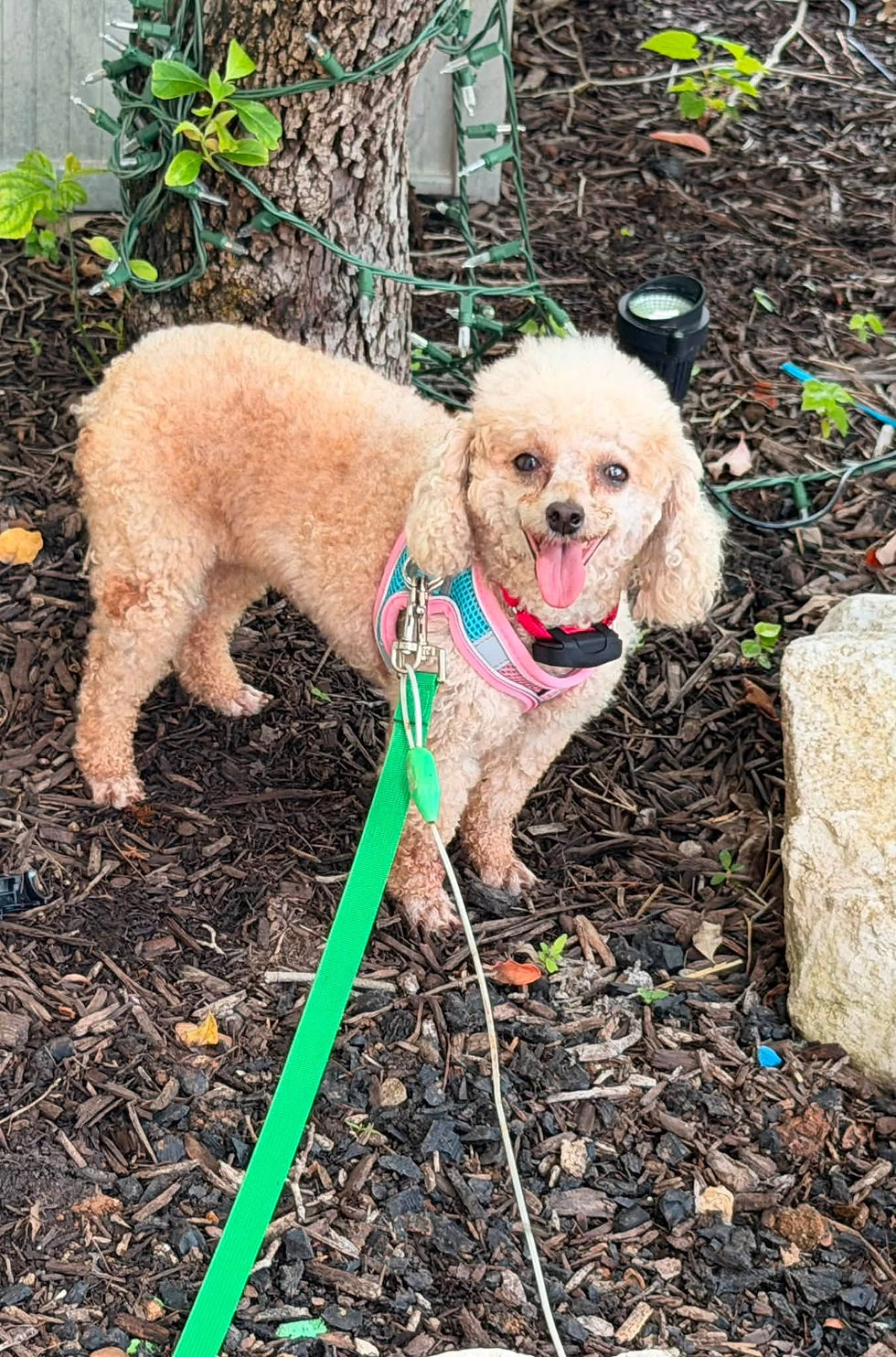
The idea is to attach two separate points of security so that if one fails, the other still holds. Typically, this means pairing a well-fitted martingale collar (or a limited-slip collar) with a secure harness, then clipping a leash to each, or using a double-ended leash attached to both.
Many newly arrived foster dogs are stressed, disoriented, and not yet bonded to their new people, and even a gentle, friendly dog can bolt when startled by a car door, a loud noise, or an unfamiliar environment.
Collars can slip over a dog’s head, and harnesses can be backed out of, but it is much harder for a dog to escape both at once. Fosters should also keep the leashes secure in their hands (not looped around a wrist), put the equipment on before opening any door, and use the double leash setup every time the dog goes out, including quick potty breaks in a fenced yard, since the first weeks are when a dog is most likely to run. A few extra seconds of preparation can be the difference between a safe walk and a heartbreaking search, and it helps every foster feel confident that they’re keeping their dog safe on the path to a forever home.
3 More Ways to Give Extra Care for Extra-Shy Foster Dogs
For especially shy foster dogs, leave the harness on whenever possible so it doesn't have to be put back on later. Some dogs benefit from dragging a lightweight leash indoors, so they can be safely guided without being grabbed.
When going outside, use one-on-one leash walks until trust has been established, and always be extra careful around doors and gates.
Many fearful dogs are skilled escape artists, so creating an extra barrier at exits can provide valuable peace of mind.
Remember—You're Not Doing This Alone
One of the greatest things about fostering a dog with HavaHeart Rescue is that you have a team standing beside you. Whether you have questions about behavior, need additional supplies, or simply want reassurance that what you're seeing is normal, your foster representative is only a phone call or message away.
Every foster parent has moments of uncertainty. Every foster dog has moments of fear.
But with patience, consistency, and a lot of love, those fearful moments slowly give way to wagging tails, curious noses, and the joy of watching a dog discover what it means to feel safe.
And there are few experiences more rewarding than being the person who helps them get there.
Open Your Heart. Change a Life.
Every dog deserves the chance to discover what it feels like to be safe, loved, and understood. Whether you choose to foster for a few weeks or adopt forever, your patience and kindness can change the course of a dog's life.
If you've been thinking about opening your home to a dog in need, we hope this encourages you to take that first step by applying to foster a HavaHeart rescue. You don't need to have all the answers or years of experience—just a willingness to give a dog the time, grace, and love they deserve. HavaHeart Rescue will be with you every step of the way, providing guidance, support, and encouragement as you help a deserving dog begin their next chapter.
Together, we can give more dogs the fresh start they've been waiting for. 🐾
FAQ: First-Time Questions About Foster Dogs
What if my foster dog is afraid of me?
That's completely normal. Many HavaHeart Rescue foster dogs have had very little positive human interaction before entering our care. Some may hide, shake, avoid eye contact, or refuse treats for the first few days—or even weeks. The best thing you can do is be patient. Speak softly, move slowly, and let your foster dog set the pace. Every quiet moment helps build trust.
How long does it take a foster dog to adjust?
Every dog is different. Some settle in within a few days, while others need several weeks or even months to feel fully safe and secure. Progress often comes in small milestones—a wagging tail, accepting a treat, choosing to lie near you, or asking for affection. Celebrate those little victories because they're signs your foster is beginning to feel safe.
What if I make a mistake?
Don't worry—you won't be doing this alone. Every foster family has questions, especially during the first few days. Your HavaHeart Rescue foster representative is there to provide guidance, answer questions, and help you work through challenges. Fostering isn't about being perfect; it's about providing a safe, loving place for a dog to heal.
Can my foster dog meet my family and friends?
During the first couple of weeks, it's best to keep visitors to a minimum. Your dog is already adjusting to a new home and new people. Giving them time to bond with your immediate household first helps build trust and prevents them from becoming overwhelmed.
Why shouldn't I introduce my foster dog to other pets right away?
Dogs need time to adjust to a new environment before adding more relationships. Slow, thoughtful introductions after your new dog has had a chance to settle often lead to more successful, lasting friendships with resident pets.
What if I fall in love with my foster dog?
It happens more often than you might think! Many foster families experience what's affectionately called "foster failure" and decide to adopt their foster dog. The great news is that fosters have the first right to adopt their dog.
What if I decide not to adopt my foster dog?
Talk to your HavaHeart foster representative. Even if you choose not to adopt, remember that your love and care have given that dog the confidence and security they need to find a forever home. By opening your home again, you'll have the chance to save another life. ❤️


Comments